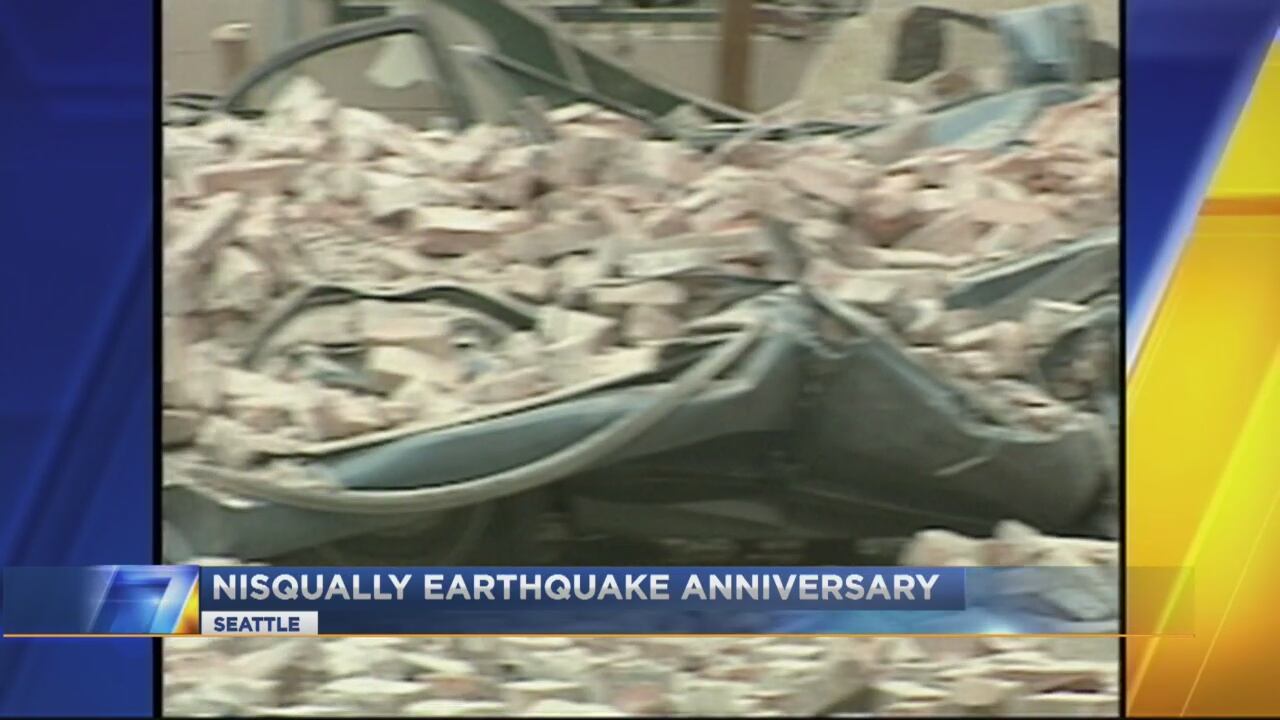



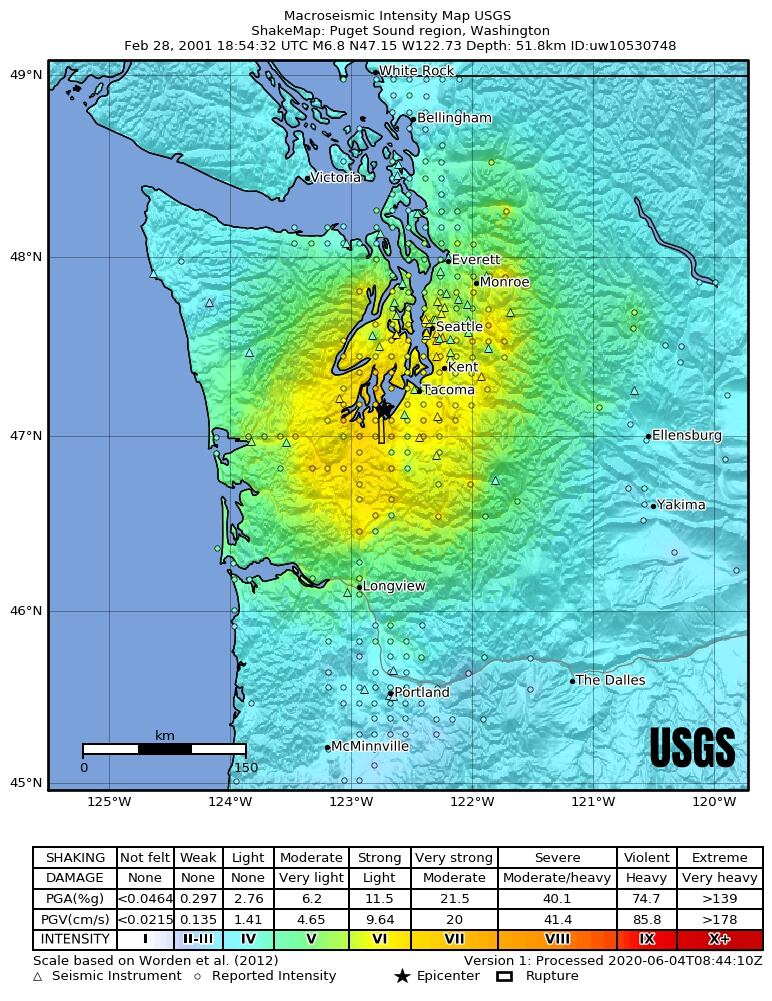
February 28 marks 25 years since the Nisqually earthquake shook Western Washington.
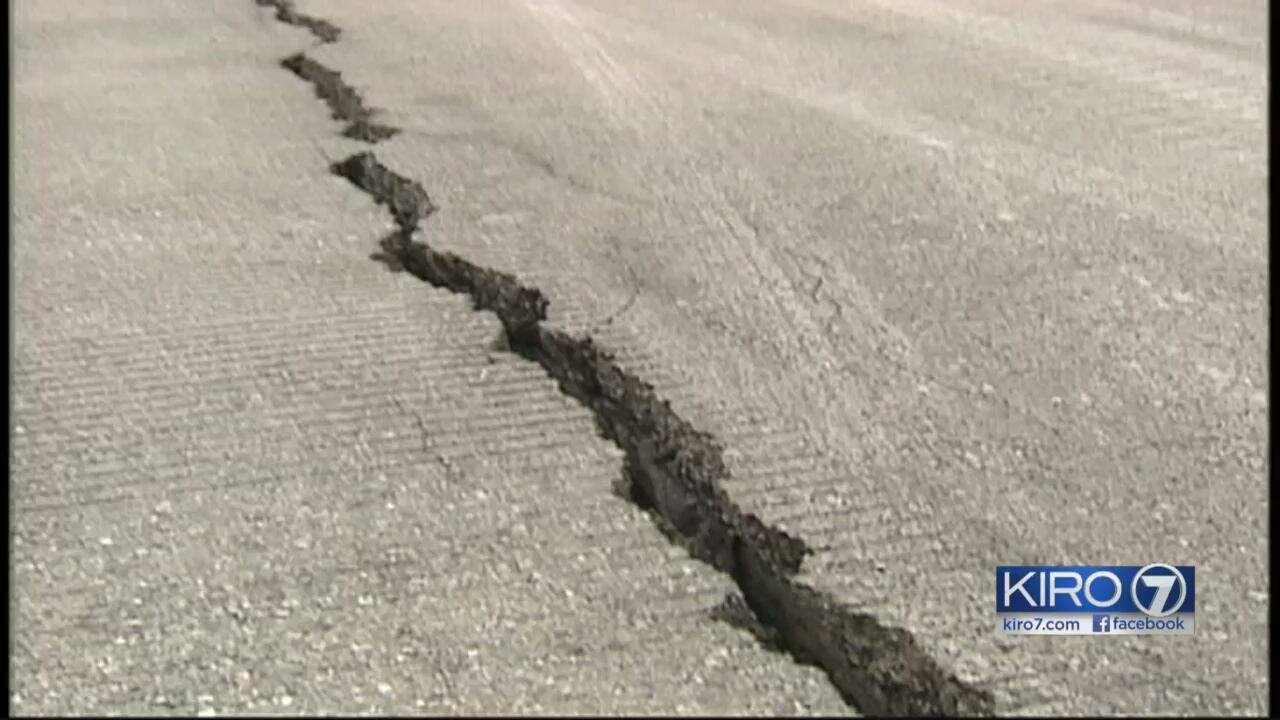
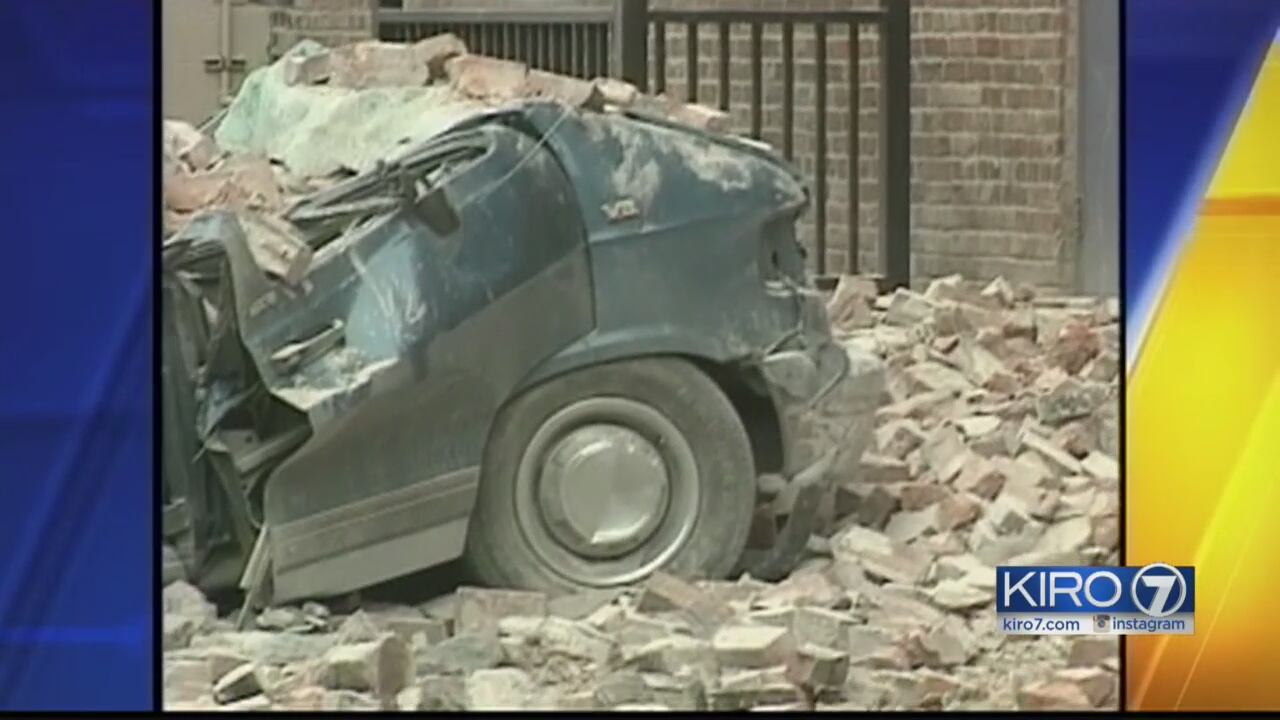
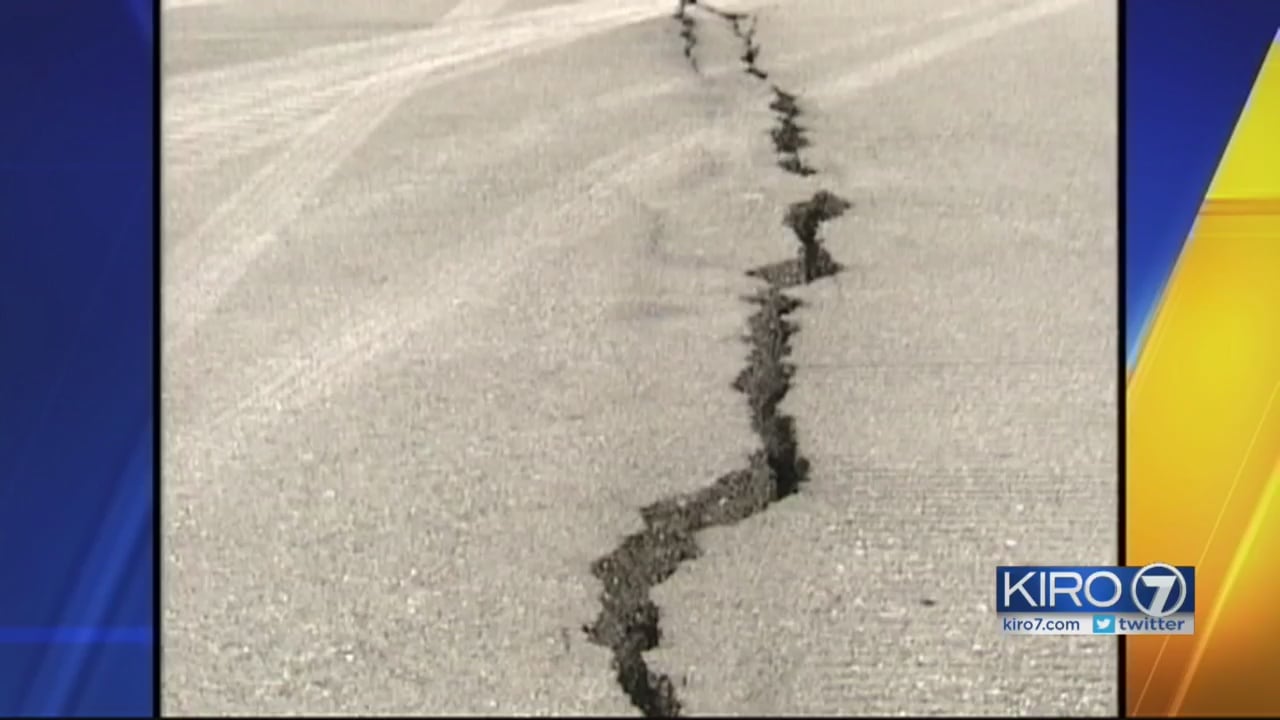
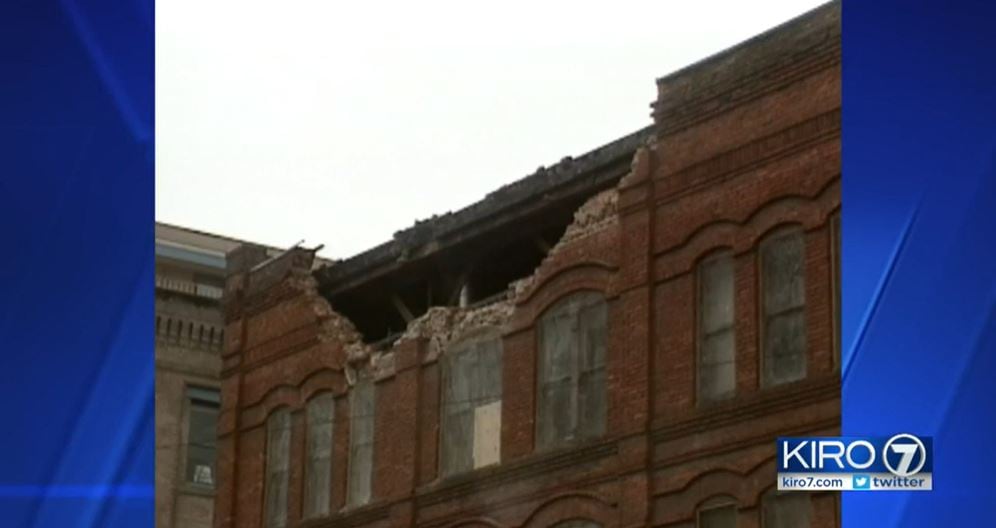
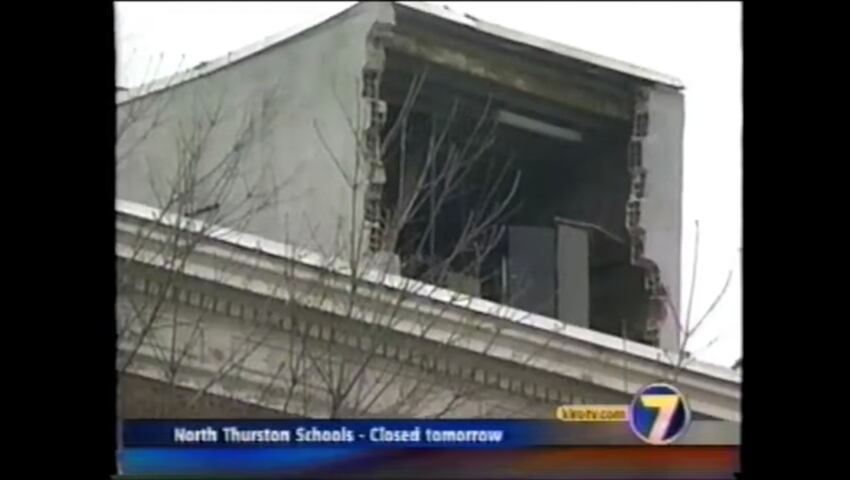
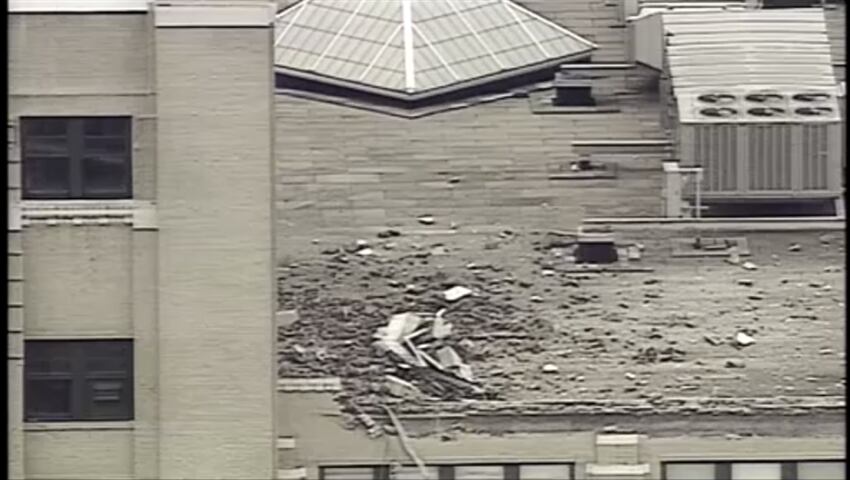
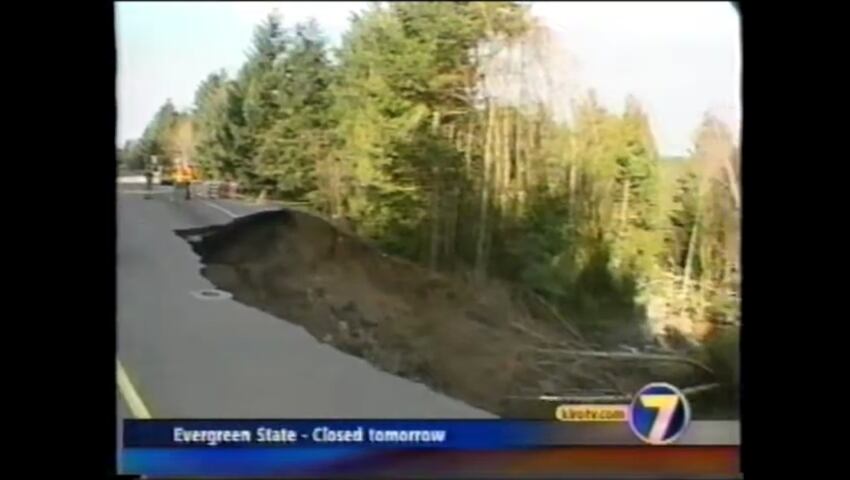
At 10:54 a.m. the 6.8 magnitude quake rattled the earth so hard that buildings crumbled and the ground split open.
It only lasted about 45 seconds, but it felt like an eternity for everyone who rushed to take cover.
The earthquake’s epicenter was 32 miles below Anderson Island, which helped buffer some of its force, but it could still be felt as far away as Vancouver, Montana, and Portland.
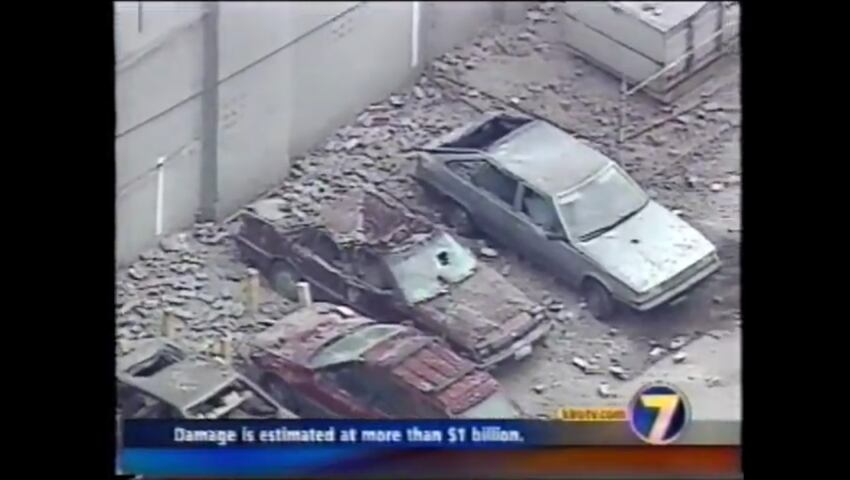
It caused upwards of $4 billion in damage, and about 400 people were hurt. One person died from a heart attack.
A former KIRO 7 reporter and photojournalist were in the mayor’s conference room on the 12th floor in the old Seattle City Hall when their story for the day instantly changed.
Their quick action brought some of the first live pictures of the quake to viewers in Seattle, and eventually, around the world.
Just one mile north, parts of the ceiling at the Westin Hotel crashed down on dozens of people packed in a ballroom for a technology conference. It interrupted Microsoft’s co-founder, Bill Gates, in the middle of demonstrating the new Windows XP program.
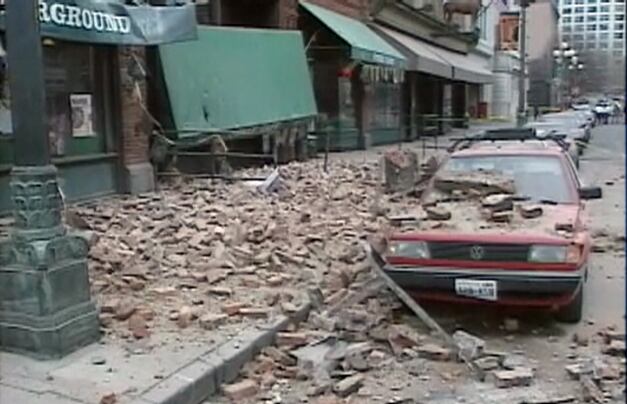
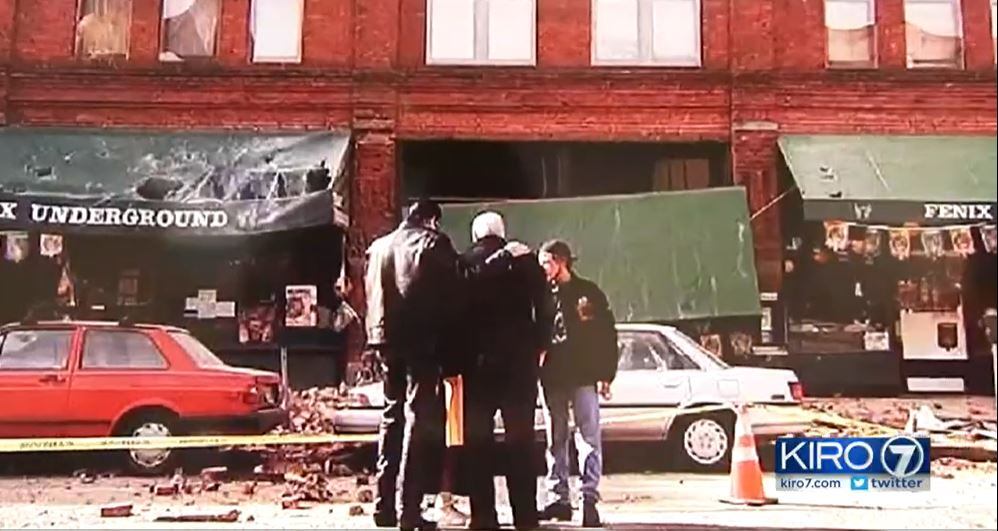
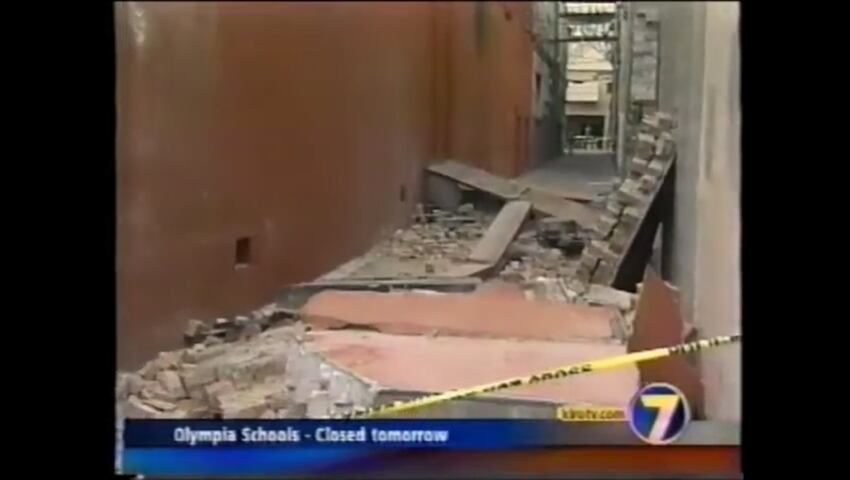
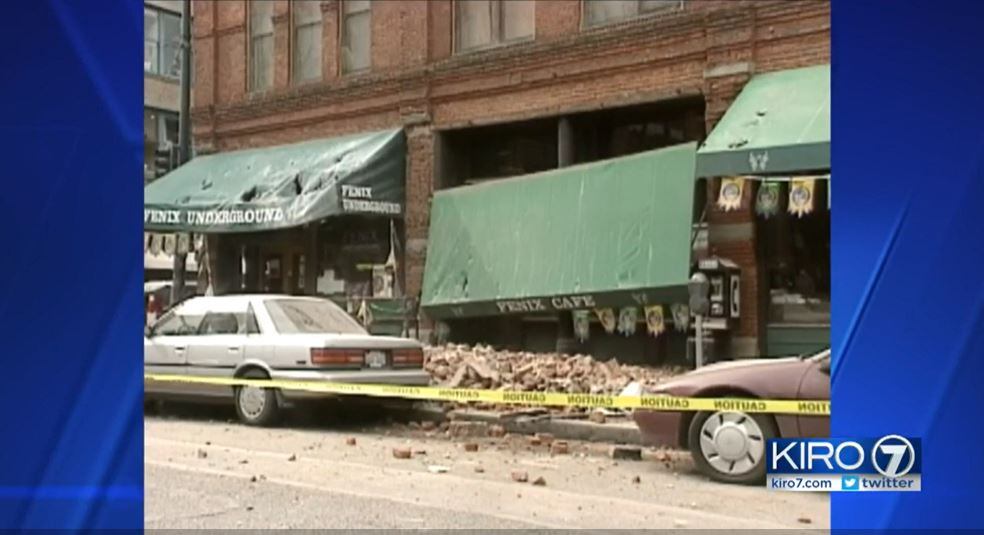
In Pioneer Square, buildings crumbled and sent bricks and debris onto parked cars.
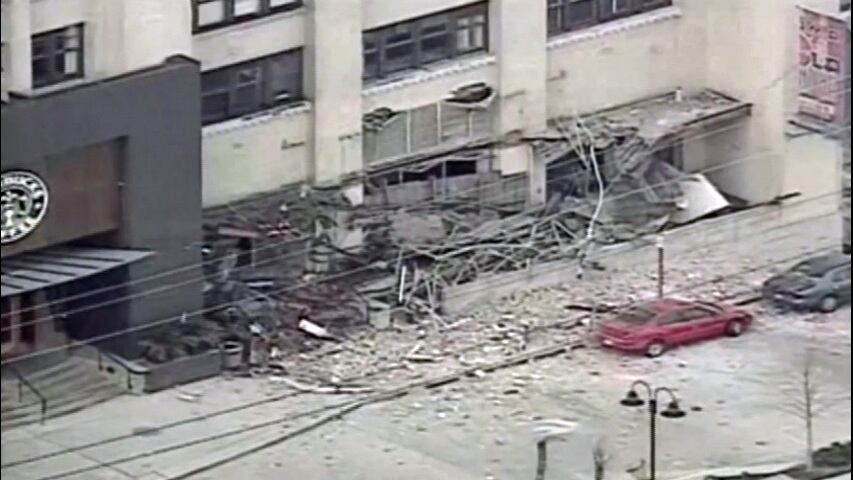
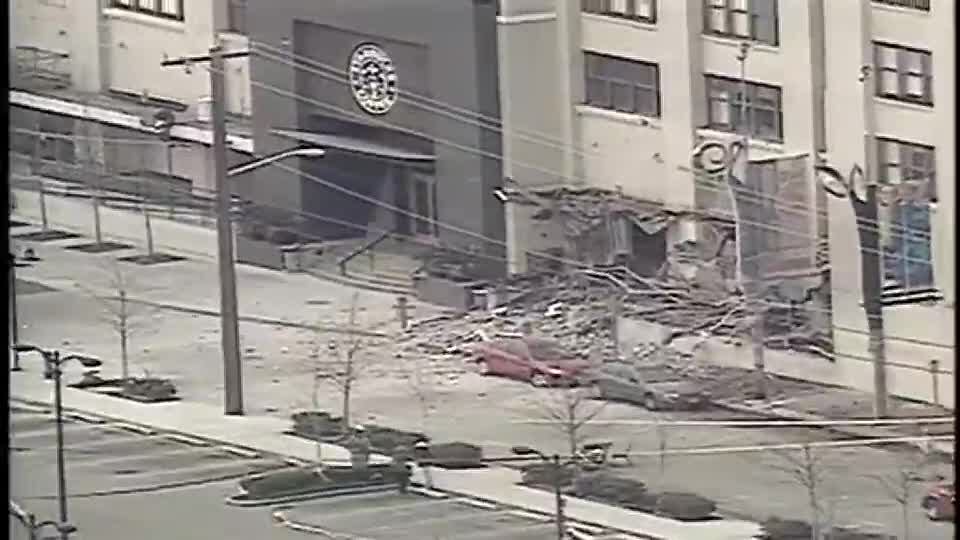
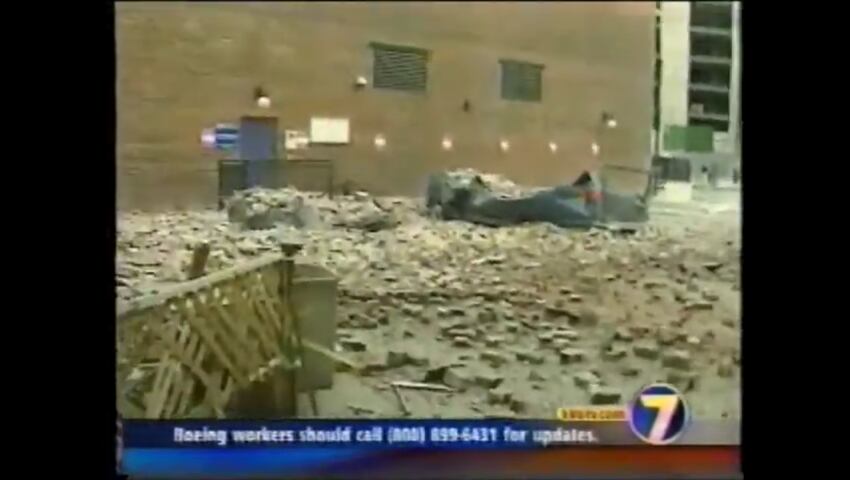
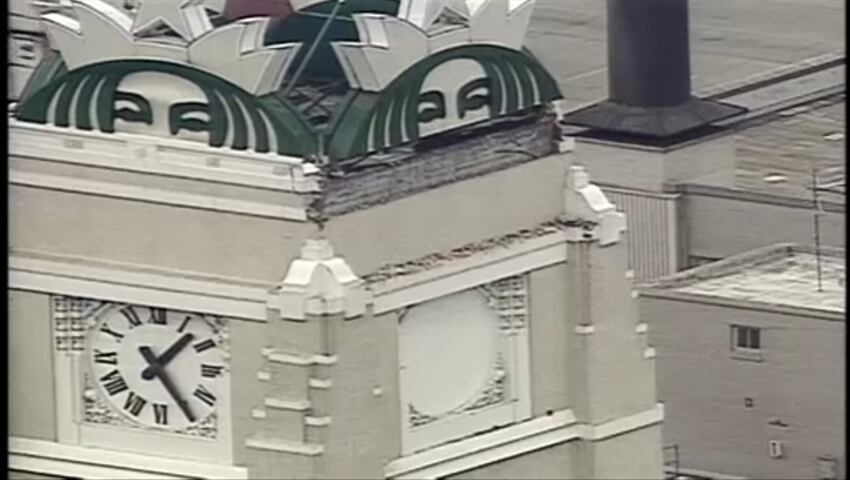
Parts of the iconic Starbucks Center in SoDo crashed to the ground.
The South Sound took the brunt of the damage.
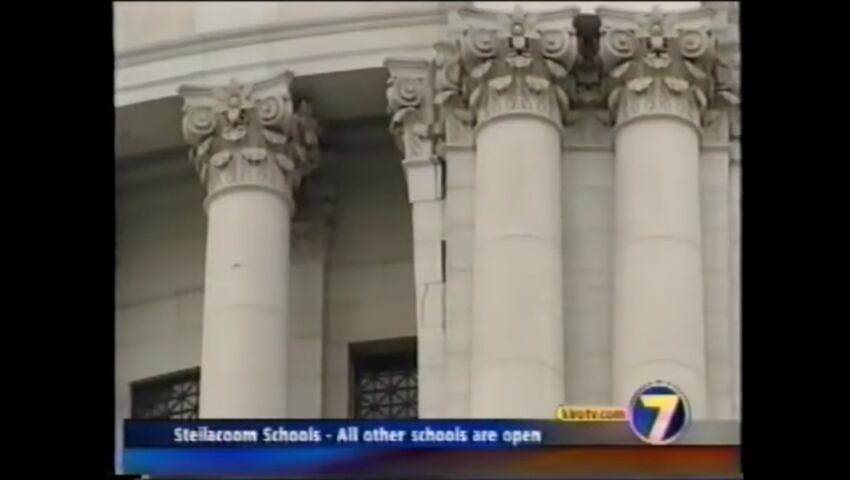
In Olympia, the state Capitol building cracked, and chandeliers swayed as the ground rumbled.
Across the street from the Capitol, the state supreme court’s chief justice was meeting with Mongolian dignitaries. He quickly ushered them to a doorway for safety.
Just five miles east in Lacey, food flew off the shelves at a Megafoods Grocery Store as workers calmly and quickly ushered customers out of the building.
In Maple Valley, neighbors dealt with a much different disaster caused by the quake.
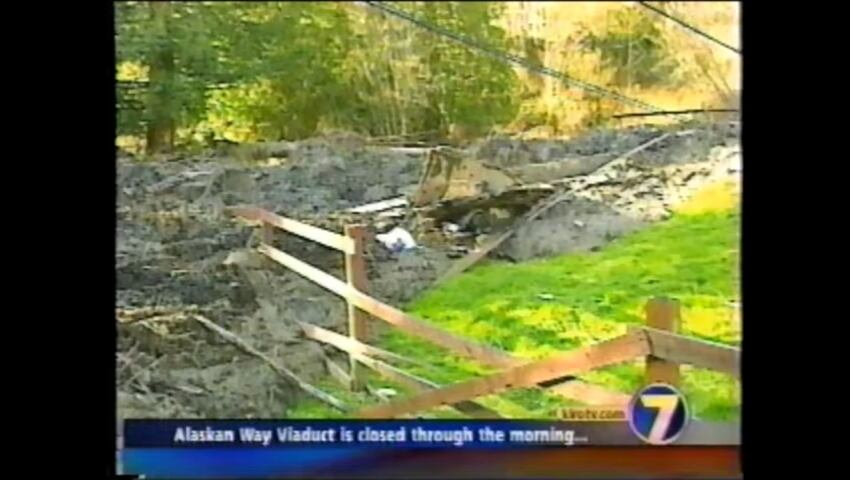
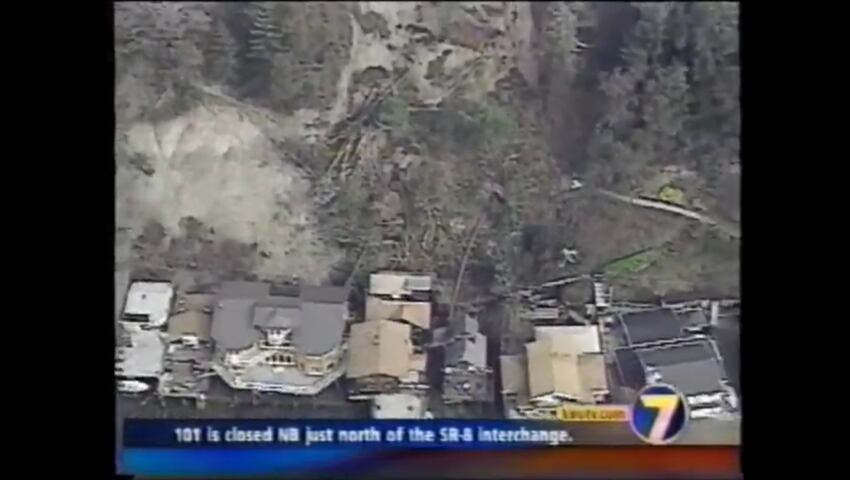
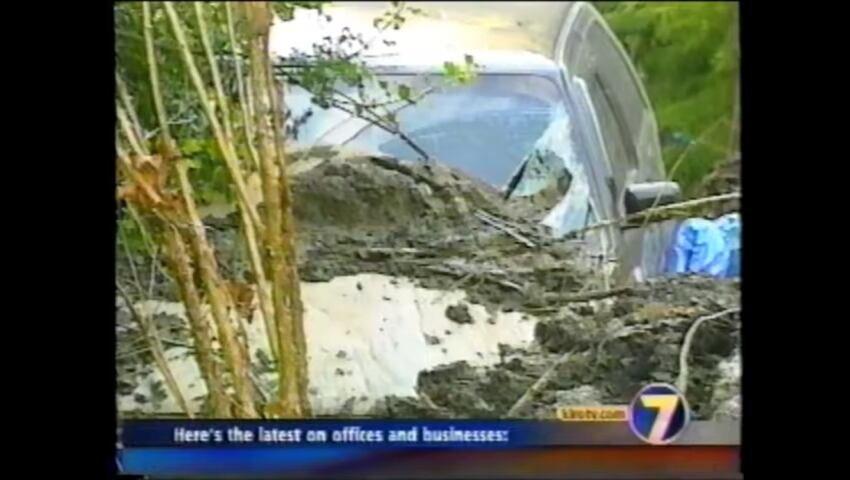
Seconds after the earthquake, a landslide barreled down toward the community. It took out homes and even trapped some neighbors inside.
Debris from that landslide filled a channel of the Cedar River, causing flooding upstream.
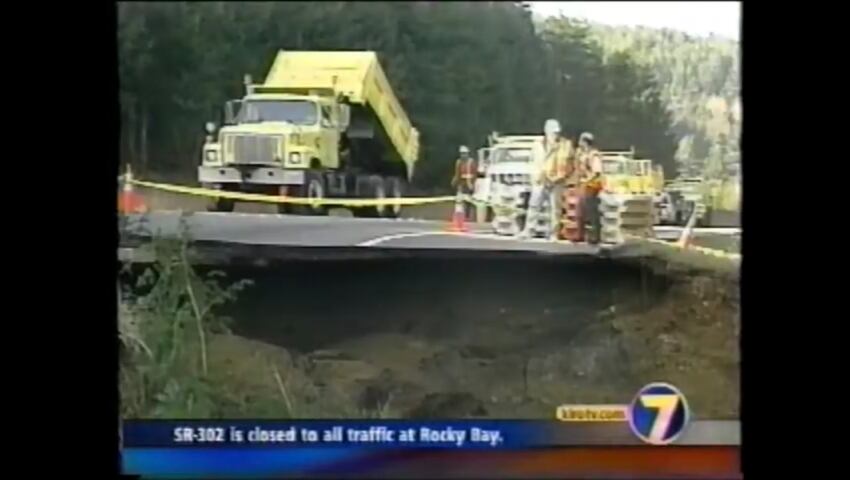
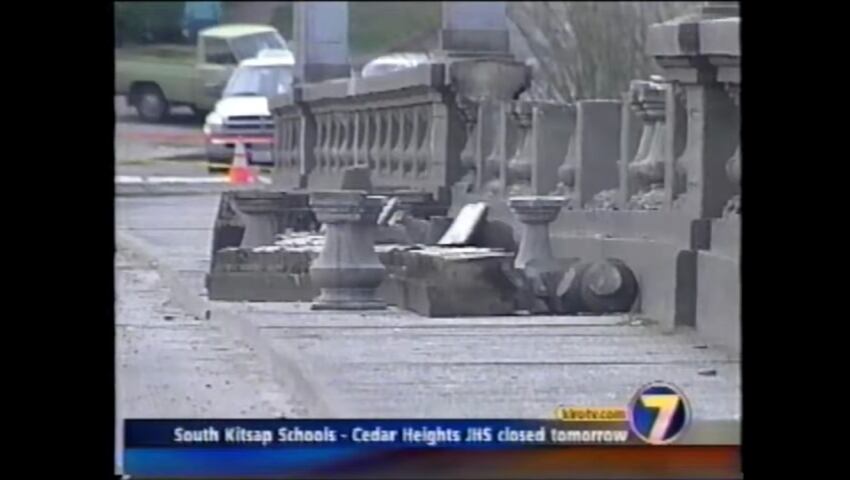
Airports and bridges across Washington had to close for inspection and repairs.
Since the quake, seismic retrofitting work has been done on Washington bridges. Major buildings, schools and hospitals have also made upgrades to better protect infrastructure.
In May of 2021, Washington Emergency Management launched an alert system to warn people on their phones, similar to a weather alert or Amber Alert.
The ShakeAlert Earthquake Early Warning System is available for mobile phones in Washington and may provide vital seconds of warning needed to alert people that an earthquake is about to happen.
The system uses a network of sensors that detect the start of an earthquake and calculates the magnitude, location and expected amount of shaking from earthquakes on the West Coast.
It sends the information in real time to distributors that send out alerts to cell phones and the internet.
Washington state has the second-highest earthquake risk in the United States. It also has one of the highest tsunami risks.
The system is designed to give residents time to take cover in the event of an earthquake but it cannot predict when an earthquake will strike.
State officials say it’s important that people enable emergency alerts on their phones so they can receive the alerts.
Details on how to do that can be found here.
©2026 Cox Media Group