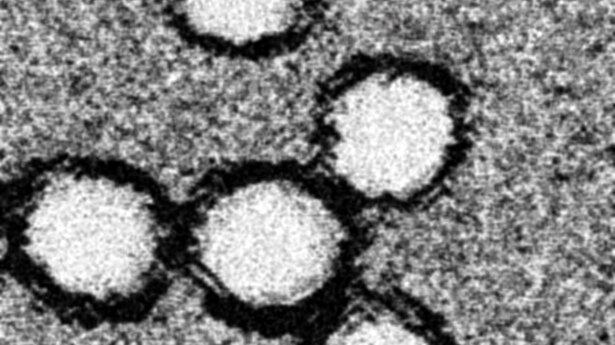
A Walla Walla County man is the first Washington resident in 2014 known to have been infected with West Nile virus here, the state health department said.
The man in his 20s is believed to have been exposed near his home and was hospitalized. Two other Washington residents have been diagnosed with West Nile virus this year: A King County man in his 70s and a Grays Harbor woman in her 50s were infected with West Nile virus this year while traveling out of state.
Additional reports of possible infections are currently under investigation.
“The mosquito samples that have tested positive for West Nile virus in eastern Washington this season are a reminder that the virus is here and we should protect ourselves,” State Health Officer Dr. Kathy Lofy said in a statement. “The best prevention is to avoid mosquito bites — at home and while traveling.”
West Nile virus is primarily a bird disease, and often dead birds are an early sign that the disease is active in an area. People may report dead birds online to public health officials. So far this year no dead birds have been reported with the infection in the state.
Most people infected with West Nile virus will have no symptoms at all and others may develop fever, headache, or body aches, according to the health department. For a small percentage of people, West Nile virus infection can be very serious, resulting in encephalitis, meningitis, or other complications. People over age 50 have the highest risk for serious illness.
So far, 34 mosquito samples have tested positive for West Nile virus in 2014, including Benton County (11), Franklin County (11), and Grant County (12), according to the health department.
The number of positive mosquito samples detected this year has already surpassed the number found during the past three years, combined (28), officials said.
The state health department gave precautions for how to protect yourself:
- Stay indoors around dawn and dusk when mosquitoes are most active.
- Use a mosquito repellent when spending time outdoors, and consider wearing long sleeves and pants when mosquitoes are most active.
- Be sure that door and window screens are in good condition so that mosquitoes cannot get indoors.
- Reduce mosquito habitat around the home by dumping standing or stagnant water in old buckets, cans, flower pots, or old tires, and frequently change water in birdbaths, pet dishes, and water troughs.
For more information on the West Nile virus, call 1-866-78-VIRUS (1-866-788-4787).
Information from the Washington State Department of Health is included in this report.
Want to talk about the news of the day? Watch free streaming video on the KIRO 7 mobile app and iPad app, and join us here on Facebook.
KIRO