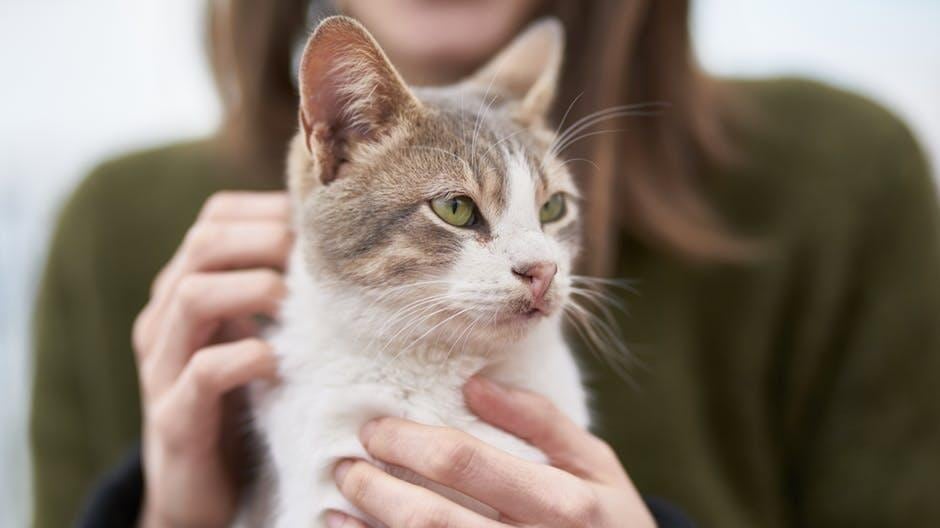
Aging cats need targeted nutritional upgrades, like protein and Omega-3 fatty acids, to support overall health and wellness, targeting energy, mobility, digestion, and immune strength. With senior-targeted supplements to support the performance of senior diets, pets can live healthy lives.
Older cats often have changing dietary requirements as their bodies age. Pet owners throughout the Seattle area and beyond are looking for dependable solutions to enhance their aging cats' overall well-being.
Many older cats do well with custom diets focusing on digestibility, hydration, and joint health. A well-thought-out approach to nutrition provides a realistic road map for long-term health. Cat owners who are aware of these changes are able to make informed choices that help their pets cope with the later years.
What Nutrition Do Senior Cats Need?
Senior felines experience metabolic and physical changes that require refined diet choices. Aging cats often need more high-quality protein to maintain muscle mass. Protein helps counter muscle loss, which becomes increasingly common as metabolism slows.
Senior cats also benefit from controlled phosphorus levels. Lower phosphorus supports kidney health, which is a key concern in older felines.
Healthy fats provide sustained energy and support cognitive function. Omega-3 fatty acids improve:
- Skin
- Coat health
- Joint flexibility
Hydration becomes even more critical as cats age. Many older cats develop reduced thirst drive, which increases dehydration risks. Moisture-rich food options help support digestive health and kidney function.
Fiber supports digestion and helps reduce hairball formation. Aging cats tend to experience sluggish digestion, making fiber an essential component of senior diets.
Helpful considerations include:
- Protein-rich formulas that support lean muscle
- Foods with balanced minerals to protect kidney health
- Hydration-focused options, including wet and broth-based foods
What Supplements Should I Give My Elderly Cat?
Senior cats often benefit from supplements that target age-related changes. Joint supplements offer support for mobility and daily comfort. Glucosamine and chondroitin help cushion joints and maintain cartilage health.
Omega-3 supplements promote cognitive support and reduce inflammation. They also help maintain heart health and skin condition. Probiotics improve digestive balance by supporting beneficial gut bacteria.
Antioxidant supplements offer immune support. Many senior cats experience weakened immune function. Adding antioxidants can help the body combat environmental stressors.
Some pet owners explore CBD for pets as part of their pet's senior wellness routines.
Senior multivitamins help fill nutritional gaps. Many aging felines experience reduced absorption of vitamins and minerals, making targeted supplementation helpful.
Prioritizing Key Ingredients for Senior Cat Wellness
High-quality protein remains the foundation of senior cat nutrition. Easily digestible proteins support:
- Energy levels
- Coat health
- Muscle strength
Senior-specific formulas often include chicken, turkey, or salmon as primary protein sources.
Phosphorus control helps protect kidney health. Many older cats face declining kidney function, making lower-phosphorus diets essential. Foods that support kidney function also improve hydration retention.
Healthy fats such as omega-3s support brain, eye, and joint function. Cats with arthritis often experience improved comfort with consistent omega-3 intake.
Improving Digestibility and Hydration for Senior Cats
Digestibility influences energy use and nutrient absorption. Senior cats with sensitive stomachs benefit from limited-ingredient foods. Controlled ingredient lists reduce digestive stress.
Proper hydration helps prevent urinary issues, which become more common with age. Moisture-rich diets support kidney function and overall hydration. Broths and wet foods offer easy ways to improve daily water intake.
Cats in humid regions such as Seattle may still experience dehydration due to low thirst cues. Frequent access to clean, fresh water remains critical.
Hydration-focused upgrades include:
- Offering wet food twice daily
- Adding broth toppers approved for cats
- Maintaining multiple water stations in the home
Supporting Joint and Mobility Health
Joint stiffness increases as cats age. Nutrition plans that include glucosamine, MSM, and omega-3 fatty acids support joint comfort. Mobility-focused foods also include collagen or green-lipped mussel for added joint support.
Cats with early signs of stiffness may benefit from soft-textured foods. Softer foods reduce strain during chewing and help maintain consistent eating habits.
Ensuring Healthy Weight Management
Weight management becomes more challenging for senior cats. Older felines may experience weight loss or weight gain depending on activity level and health conditions.
Nutrient-dense foods help support cats that struggle to maintain weight. Controlled-calorie formulas help manage overweight cats while supporting nutrient absorption.
Veterinarians can offer guidance for adjusting calorie intake to match age-related changes in metabolism.
Choosing Nutrient-Rich Cat Food for Better Health
High-quality senior formulas focus on digestibility, balanced minerals, and strong protein sources. Many reputable brands offer foods tailored to:
- Kidney health
- Joint support
- Digestive balance
Seattle-area pet stores often feature specialized senior formulas that align with local veterinary recommendations. Labels highlighting cat dietary needs, senior cat nutrition, nutrient-rich cat food, and improving cat health help guide purchasing decisions.
Frequently Asked Questions
How Can I Tell If My Cat Needs a Senior Diet?
Cats may show subtle signs before diet changes become essential. Many older cats develop:
- Slower movement
- Reduced appetite
- More frequent digestive issues
Senior diets often benefit cats around age 10 and older, though individual needs vary. Veterinary exams help identify when to upgrade foods. Seattle veterinarians often check kidney health, mobility, and body condition to guide dietary transitions.
What Are Signs of Poor Nutrition in Senior Cats?
Senior cats with inadequate diets may develop dull coats, visible weight loss, or reduced activity. Some cats show more sensitivity to:
- Temperature changes
- Digestive irregularities
- Brittle nails
Owners who notice these shifts should consider reviewing food quality and moisture levels. Nutrient-dense formulas improve coat shine, energy, and daily comfort.
Additional veterinary evaluations help identify whether hidden health issues contribute to nutritional decline.
Should I Switch My Cat's Food Gradually?
Sudden diet changes often cause digestive stress. Gradual transitions help protect digestive balance and encourage acceptance of new foods.
Mixing small amounts of the new food with the old food allows cats to adapt slowly. Many veterinarians recommend a transition period of 7 to 14 days. Cats with sensitive digestion may require even slower shifts to avoid stomach upset.
Support a Healthier Future for Aging Cats
Aging cats thrive when owners prioritize nutrition and daily well-being. Diets rich in high-quality proteins, hydration support, and focused supplements offer practical ways to promote comfort and long-term health. Seattle pet owners benefit from local veterinary resources and plentiful senior food options.
Continue viewing our website for more helpful articles and the latest news stories.
This article was prepared by an independent contributor and helps us continue to deliver quality news and information.