Learning to play an instrument doesn't have to be complicated or reserved for the young. The easiest music instruments to learn offer quick progress and satisfying results for beginners of any age. These approachable options make it easier than ever to build confidence, improve focus, and experience the joy of making music.
Picture this: you pick up a small wooden ukulele one afternoon and, within minutes, strum your first recognizable tune. That sense of accomplishment is what keeps many beginners going, and it's part of why two-thirds of Americans have learned to play a musical instrument at some point in their lives, according to YouGov.
Music has a way of bridging generations, boosting creativity, and sharpening memory. From retirees looking to stay mentally active to children discovering rhythm for the first time, there's an instrument waiting to bring joy, focus, and self-expression into daily life.
What Instrument Should a Beginner Learn? The Banjo
The banjo often surprises beginners with how approachable it can be. Despite its lively, intricate sound, the instrument follows patterns that are logical and easy to grasp. Its open tuning means that strumming the strings without any finger placement already produces a pleasant chord, making early practice sessions rewarding. Many learners find this immediate feedback motivating, especially when compared to instruments that take longer to sound musical.
Beginners usually start with a five-string banjo, which features a shorter drone string that adds rhythmic drive to its signature tone. Basic rolls can be learned within a few days of steady practice.
Once players are comfortable with those movements, they can easily progress into simple melodies and traditional folk songs. The physical spacing of the strings also helps improve dexterity without excessive strain, making it suitable for learners of different ages.
Affordable banjos for sale and online beginner-friendly music tools make learning accessible from home.
Is Keyboard Easier Than Guitar?
For many beginners, the keyboard feels easier to start with than the guitar when it comes to simple instruments for beginners. Its visual layout clearly shows how music works. Notes move in a straight line, and patterns like scales or chords repeat in predictable ways.
When you press a key, you get an instant, clean tone without needing to build finger strength or master string placement. This straightforward feedback helps new learners grasp rhythm, pitch, and harmony much faster.
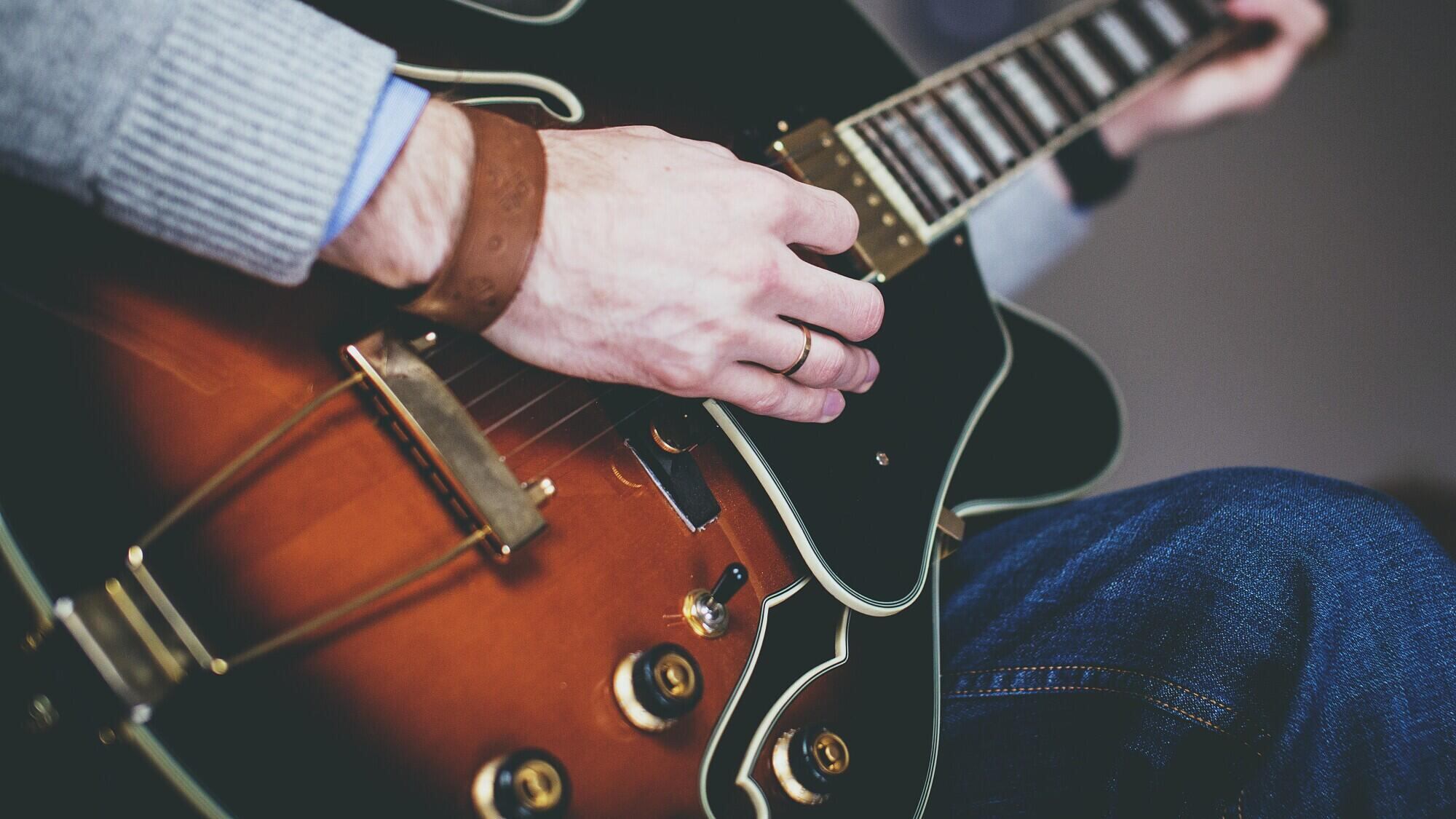
The guitar, while incredibly rewarding, requires more physical coordination in the beginning.
- Pressing strings precisely
- Developing calluses
- Memorizing chord shapes
- Practicing stances
Can take weeks. A keyboard's design eliminates those early hurdles. Learners can focus on reading music or playing simple melodies almost immediately.
That said, the guitar offers its own advantages once players move past the initial stage.
The Recorder
The recorder is one of the best instruments for kids for a reason.
Because the recorder relies on controlled breath rather than finger strength, it's an excellent introduction to both melody and rhythm without the frustration of complex mechanics. Its straightforward fingering system also helps learners understand scales and pitch relationships, which later translate easily to other wind or brass instruments.
Many schools introduce students to the recorder because it builds fundamental music skills such as reading notation and coordinating breath with hand movement.
The instrument's clear, bright tone allows players to recognize mistakes quickly and adjust naturally, reinforcing ear training from the start. Adults and seniors benefit just as much, especially those who want to explore music casually or strengthen lung capacity through gentle practice.
With countless beginner-friendly tutorials and songbooks available, learning the recorder doesn't require formal lessons. Within a few weeks, players can perform familiar folk tunes and even simple classical melodies.
The Drums
Drums are one of the most instinctive, quick-to-learn instruments, making them a strong choice for beginners across all ages. Rhythm comes naturally to most people. Percussion lets players translate that sense of timing into sound right away.
Drums focus on coordination, timing, and feel, which means progress is often visible within the first few practice sessions. The physical engagement of drumming also keeps learners energized and focused, making it especially appealing to children and active adults.
Starting with a simple drum kit or even a practice pad helps new players build a sense of rhythm before moving to more advanced techniques. Many beginners learn basic rock or pop beats within weeks. As timing improves, so does the ability to improvise or play along with favorite tracks, which keeps motivation high.
Drums are also an excellent option for stress relief and mindfulness. Playing along to steady rhythms strengthens hand-eye coordination while releasing tension through movement
FAQs
Is One Hour a Day Enough To Learn an Instrument?
Yes, one hour a day is often more than enough for steady progress, especially when that time is structured and consistent. Regular, focused practice builds muscle memory and improves technique faster than infrequent long sessions.
Beginners can even benefit from shorter sessions of 20 to 30 minutes at first, gradually working up to an hour as stamina and concentration improve. The key is quality over quantity:
- Setting clear goals
- Practicing deliberately
- Working with others
- Staying consistent
Yields far better results.
Can Learning Music Improve Memory?
Learning to play an instrument strengthens memory because it involves active concentration, repetition, and coordination between sight, sound, and movement. As players read notes and recall sequences, they train the brain to retain and process information efficiently.
Engaging in musical activities supports cognitive function and helps maintain memory skills across different ages.
Does Musical Talent Run in Families?
Musical ability can have a hereditary component, but it's shaped just as much by environment as by genetics. While certain traits, such as:
- Pitch recognition
- Rhythm sensitivity
- Auditory memory
- Learning speed
Can be inherited, and exposure to music during childhood often plays a larger role in developing the skill. Growing up in a home where music is valued and practice is encouraged increases the likelihood of musical success far more than genetics alone.
Easiest Music Instruments To Learn: Start Today
There are tons of great options when it comes to the easiest music instruments to learn. Now that you know a few, you can make a choice for yourself or your child.
Do you want more information about learning instruments and more? Make sure you explore some of our other posts.
This article was prepared by an independent contributor and helps us continue to deliver quality news and information.