OLYMPIA, Wash. — The Washington Secretary of State works hard to make sure your vote is safe and secure before, during, and after an election.
Each county chooses its own voting system – but it must be certified by an independent testing authority as well as the state.
Before every election, counties test their voting systems to make sure the machines are
The Office of the Secretary of State reviews each county periodically to make sure all election laws and rules are properly followed. If changes need to be made, a follow-up visit is scheduled to ensure everything is fixed.
Voting systems are on an air-gapped network. That means the network cannot connect to the internet and is incapable of wireless communication.
Interested in which system your county uses? Click here for the full list.
Who runs elections in Washington?
Certified Election Administrators are responsible for running elections in Washington. To become certified, you must attend a two-day Elections 101 class, get another 40 hours of work-related education, and pass an exam that tests your knowledge of election laws and procedures. You must also work in elections for two years to gain relevant experience before you can be certified.
Ballot security
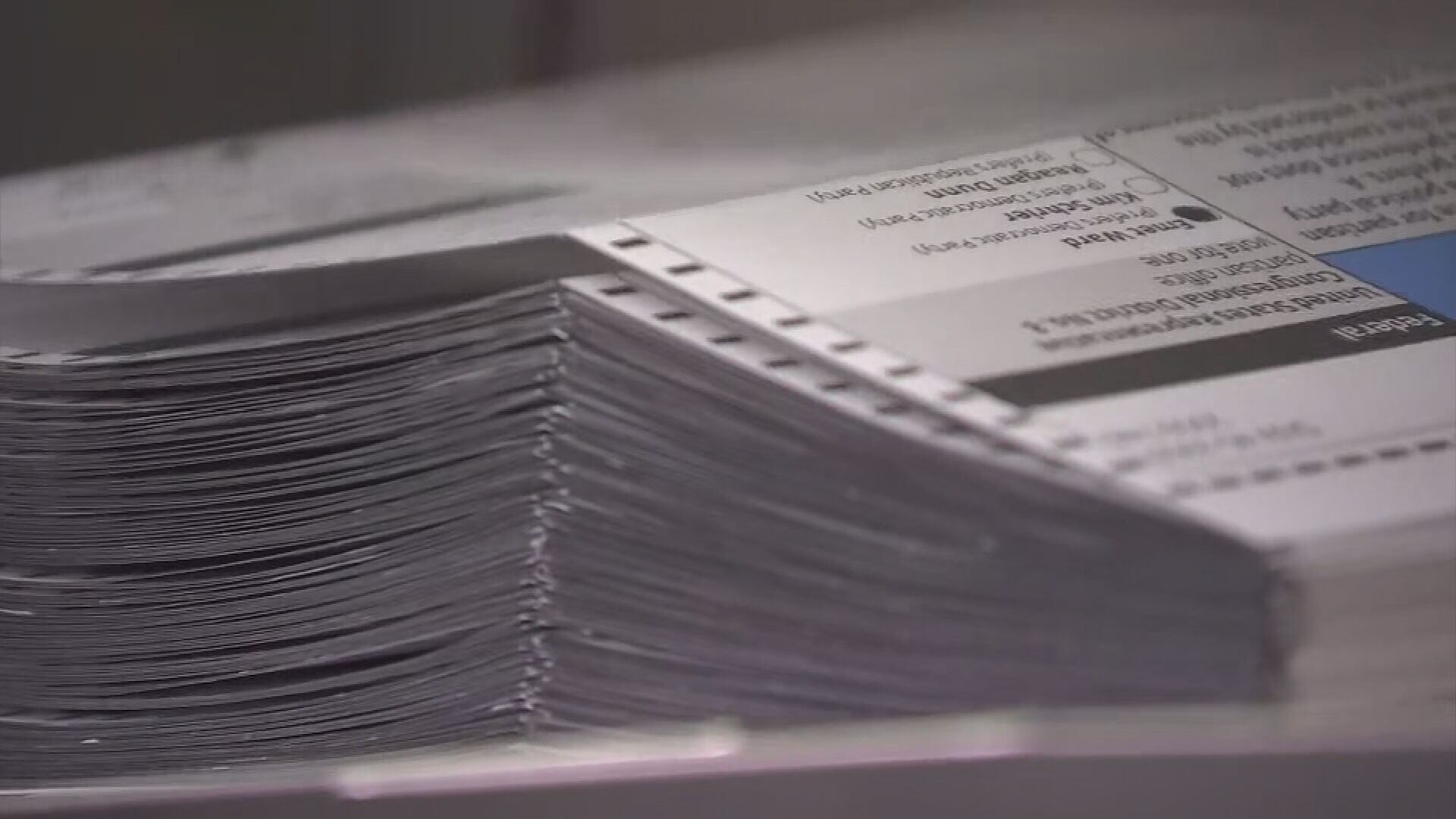
Ballots in Washington are printed on paper. It allows elections officials to audit the results of an election after the votes are counted.
Ballot drop boxes are built to withstand weather, vandalism, destruction, and removal. They are secured with seals and are opened and emptied by two or more authorized elections workers.
When you vote, you sign an oath swearing your eligibility to vote. Your signature is compared to the signature in your voter registration file to confirm your identity and eligibility.
If your signature is missing or doesn’t seem to match, your ballot is “challenged,” and you are notified. You’ll then have an opportunity to update your signature on file to make sure your vote is counted.
The counting process
Ballot boxes are emptied by two or more authorized elections workers and taken to a secure voting center.
The signature on each ballot must be verified before it is counted.
Your ballot will then be opened and separated from the signature envelope. At this point, your ballot is anonymous and grouped with other ballots to be scanned.
Ballots are sealed in secure containers throughout the election, and at least two staff are present whenever your ballot is handled.
Ballots are scanned throughout the 18-day voting period as they are processed and accepted.
The tabulation – or counting – process – begins after 8 p.m. on Election Day. Since many ballots are already scanned, it only takes the computer a few seconds to total up the votes, which is why you start seeing preliminary election results so soon.
Ballot scanners and voting systems are physically secured in locked rooms. Elections staff sign in and out each time the room is opened, and always in groups of two or more.
You can watch ballot processing as it unfolds. Contact your county elections office for more information on how to do this.
Post-election audits
Right after Election Day, your local election officials check to make sure the voting systems are counting correctly. They hand-count randomly selected precincts or ballot batches and compare those numbers to the voting system totals.
If an election is close, they will check more ballots.
©2026 Cox Media Group